Summary: CNC quotes vary widely. Learn how to break down material, machining, and inspection costs to judge cost-performance and choose the right shop.
Send the same drawing to three machine shops and you may get: Shop A at $136, Shop B at $240, Shop C at $78. Which one do you choose?
Choose the lowest price and you risk quality problems. Choose the highest and you don’t know what you’re paying extra for. Choose the middle one and it just feels like a compromise.
This confusion is real, because the cost structure behind a quote is completely opaque to the buyer. Once you understand how a quote is built and where the differences come from, the decision becomes much clearer.
A precision CNC part quote can generally be broken into four parts:
Blank weight × material unit price + roughly 10%–15% cutting loss.
Material prices vary widely. A direct comparison:
For the same volume part, titanium material cost can be around 10 times that of aluminum. Material selection directly determines the cost baseline.
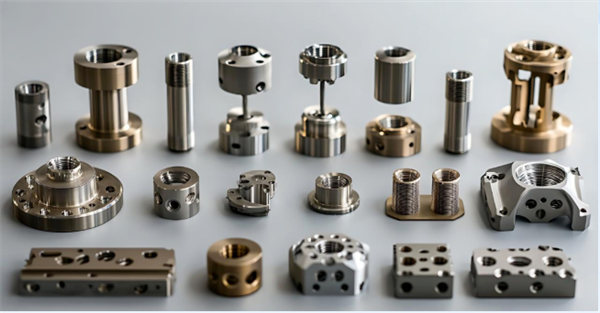
Machine hourly rate × machining time. This is usually the largest portion of a quote, typically 40%–65%.
Hourly rates vary significantly by equipment:
For the same part, a shop with a well-designed process route may use half the machining time of a shop with a poor route. This is one of the core reasons quotes differ so much.
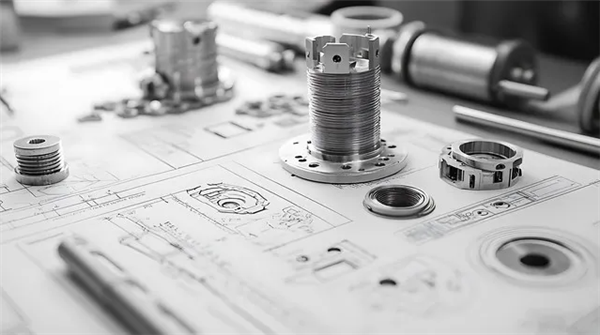
Small-batch prototyping requires custom fixtures and CNC programming. This one-time cost is usually $60–$600, depending on part complexity. As batch size increases, this cost is amortized and the unit cost drops.
For a 10-piece prototype run, fixture cost may add $20 per piece. At 1,000 pieces, it may add only $0.20 per piece. This is why prototyping is much more expensive than production.
If the drawing calls for surface treatment, this must be calculated separately:
Precision inspection is also costly. A full CMM inspection of one part takes 30–60 minutes, translating to about $40–$100/piece. If every part is fully inspected, inspection cost can account for a very high share of the quote.
Once you understand the quote structure, the differences among three shops become traceable.
For the same drawing, process engineers with different experience levels design different routes.
A part that requires four setups may be completed by an experienced process engineer in one 5-axis setup, reducing setup labor and fixture cost. A less experienced engineer may use a 3-axis machine with multiple setups, doubling the labor time.
The former may actually quote lower because it uses less machining time and achieves higher equipment utilization.
A common issue in low-price quotes is material substitution.
The drawing specifies 6061-T6, but the quote uses a cheaper domestic or off-brand aluminum whose chemical composition and mechanical properties do not meet the standard. This may not be visible from appearance or dimensions at first.
For non-ferrous metals, material verification requires a material certification with heat/lot number. This is the most direct way to identify material substitution.
A low-price shop may have reduced inspection scope.
Shop A’s quote includes full CMM inspection plus an outgoing inspection report. Shop B’s quote includes only visual inspection. For the same part, the inspection cost difference can easily be $40–$80/piece.
If your part has precision requirements and inspection has been omitted, the risk of nonconforming parts is fully transferred to you.
Some factories are strong at taking orders but actually rely on outsourcing. For example, they take a sheet metal + CNC assembly job, do the CNC portion in-house, outsource the sheet metal, and add a 20%–30% middleman margin.
The customer sees one total quote, but the quality control chain is longer, and responsibility is unclear when problems occur.
Some quotes are inflated because the shop has no experience with this type of part, estimates labor conservatively, and adds a higher profit margin. These quotes are expensive, but quality is not necessarily better. It is simply a risk premium.
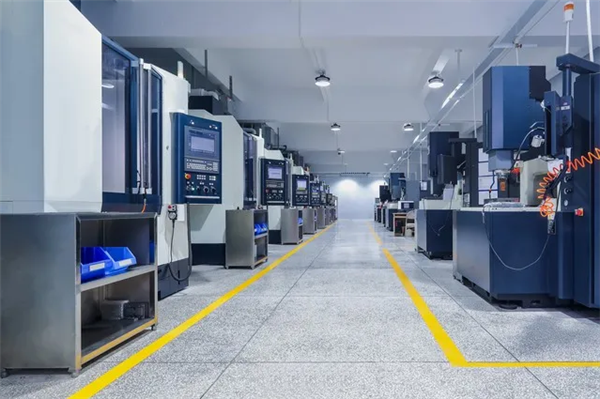
After receiving a quote, do not simply compare numbers. Ask the supplier to break down the quote structure.
Ask directly: Can you separate the quote into material cost, machining cost, surface treatment cost, and inspection cost?
A legitimate factory will not refuse this request. Those who refuse often have one item with excessive padding and are afraid of exposing it.
Once you have the breakdown, verify it with the following logic:
Is material cost reasonable? Compare with market material prices. Blank weight × unit price, with an error within 20%, is normal.
Is machining cost reasonable? Ask what equipment is used and approximately how many machining hours are required. Estimate against equipment hourly rates.
Does inspection cost exist? If the drawing has precision requirements but there is no inspection cost, either inspection has been omitted or the cost is hidden in machining.
Ask the quote to include: what equipment, how many axes, how many setups, and how key processes ensure accuracy.
Those who can clearly explain the process plan have genuinely studied the drawing. Those who cannot provide a plan are simply applying an experience-based price and are more likely to fail when real problems arise.
Send the same drawing to three shops. Remove the highest and lowest; the middle one is usually the reasonable range. But this is only a starting point. You still need to use the first two methods to verify whether the middle quote’s cost structure is solid.
If a quote is more than 40% below average, you must ask clearly: Was the material substituted? Was inspection omitted? Which operation was skipped?
Beyond the quote itself, several factors affect overall cost-performance and are easily overlooked:
One failed prototype run equals an extra set of material cost + machining cost + shipping both ways + engineer waiting time.
A shop that is 10% cheaper but has a first-pass yield 20% lower is not actually cheaper overall.
If parts arrive 3 days late and product launch is delayed, that cost far exceeds the machining price difference.
Drawings need back-and-forth confirmation. When deviations occur, both sides argue. The hidden consumption of engineer time often exceeds the part price difference.
Shops focused on small-batch R&D parts usually perform better on these three points, because their customers are mainly R&D engineers, and reputation and repeat business depend on these soft metrics, not just price.

Low price is not necessarily bad. High price is not necessarily worth it. Use these questions for quick screening:
After asking these five questions, the true cost structure behind the quote is basically clear.
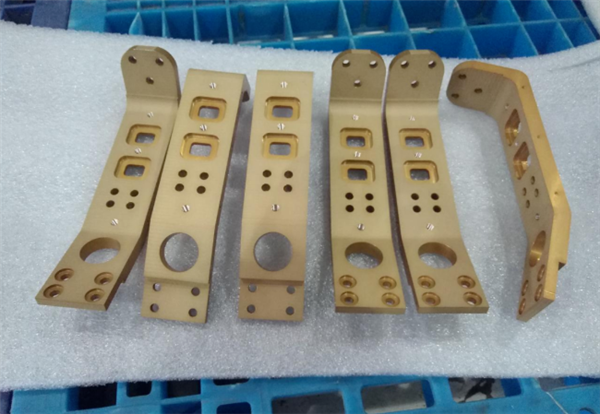
Justway approaches quoting as follows: the process engineer reviews the drawing on the same day it is received. The quote states what equipment will be used, which key processes are involved, and approximate machining hour estimates. Material certifications are available. Shipments include CMM inspection reports with actual measured values for each dimension. No minimum order quantity: 1 piece minimum. Prototyping in 3 business days. Accuracy ±0.01 mm. ISO 9001:2015 certified.


