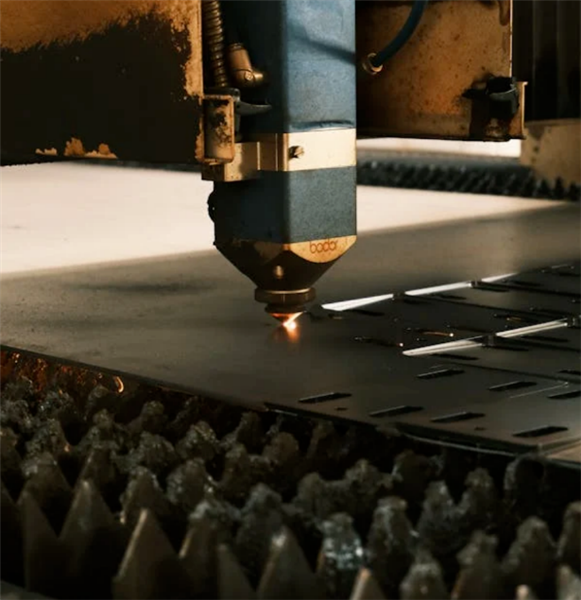
Sheet metal processing is a comprehensive cold working technique for thin metal sheets, covering blanking, bending, stretching, forming, forging and riveting. The biggest feature of sheet metal parts is uniform thickness, usually less than 6mm. It is low-cost and suitable for large-scale mass production.
SPCC refers to low-carbon steel sheets and steel strips. It features good plasticity, weldability and cold forming performance.
Its main drawback is the lack of surface protection. It oxidizes easily in the air and forms dark red rust, so painting or electroplating treatment is required before use.
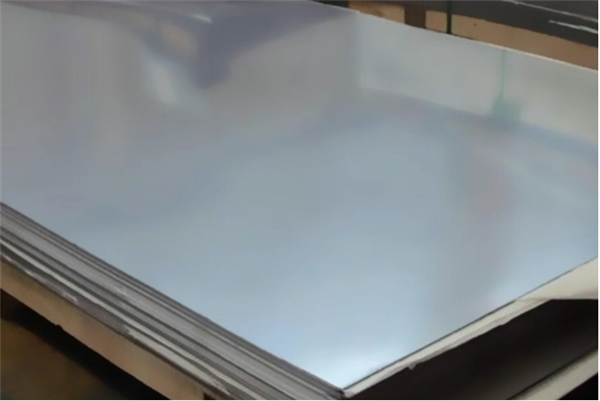
SECC is made of cold-rolled steel coils. The raw materials are processed through degreasing, pickling, electro-galvanizing and a series of post-treatments to form the finished material.
It retains the mechanical properties and processing performance of ordinary cold-rolled steel, and has excellent corrosion resistance and surface decoration. It is highly competitive for electronic products, home appliances and furniture, and is widely used for computer cases.
SECC has great paint adhesion and good spraying performance. It is commonly used for parts requiring high appearance quality after painting finishing.
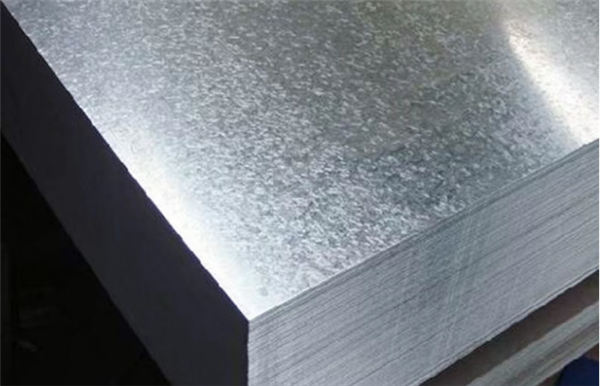
SGCC is produced by cleaning and annealing hot-rolled pickled or cold-rolled steel semi-finished products, then dipping them in molten zinc at around 460°C for zinc coating, followed by leveling and chemical treatment.
Compared with SECC, SGCC is harder with poorer ductility, so deep drawing design should be avoided. It has a thicker zinc layer and weaker weldability. Zinc flower patterns may appear on its surface. During stamping, the zinc coating may stick to molds, increasing friction and causing various forming defects.
Nevertheless, SGCC has much better corrosion resistance than SECC. Though it is not high in strength, its excellent anti-corrosion property makes it widely applicable. It is commonly used for power transmission towers, guardrails, automotive chassis parts, rolling shutters, window protection panels, as well as exterior walls and roofs of buildings.
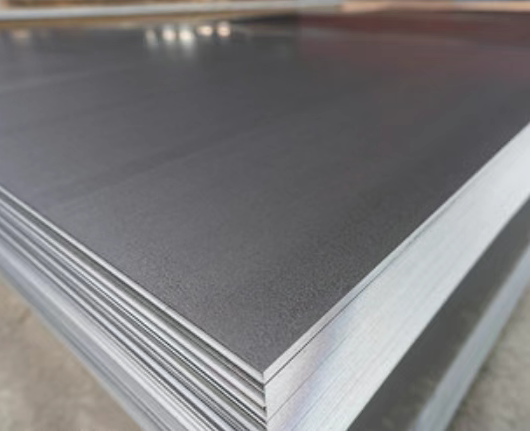
SUS301 stainless steel has lower chromium content than SUS304, resulting in slightly weaker corrosion resistance. But it gains great tensile performance and hardness after cold working, with excellent elasticity. It is mostly used for spring pieces and anti-electromagnetic interference parts.
As a low-carbon chromium-nickel austenitic stainless steel (carbon content ≤0.15%), SUS301 can be greatly strengthened by cold working, with a maximum strength of 1500MPa. Its corrosion resistance is not as good as SUS304 but better than ordinary carbon steel, and it is non-magnetic in solid solution state.
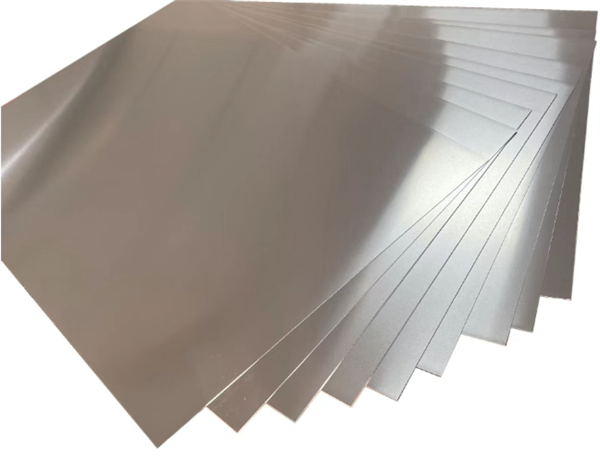
SUS304 is one of the most commonly used stainless steels. With nickel element added, it has better corrosion resistance and heat resistance than chromium-based steel.
It features superior overall mechanical propertieswithout heat treatment hardening, and has no elasticity.


