1. Blog>
  2. Material Intelligence: Understanding Polymer Properties and Inherent Process Phenomena

Material Intelligence: Understanding Polymer Properties and Inherent Process Phenomena

by: Apr 22,2026 79 Views 0 Comments Posted in 3D Printing

Selecting the right material is only half the battle in 3D printing. Understanding how that material behaves during the layering process—and recognizing the natural physical traits of additive manufacturing—is essential for functional success. At Justway, we emphasize a "Design for Manufacturing" (DfM) approach, ensuring our clients understand both the capabilities and the inherent characteristics of their chosen materials.

1. Material Selection: Matching Chemistry to Application

Based on our internal testing and decade-long production, we categorize materials by their mechanical and thermal resilience.
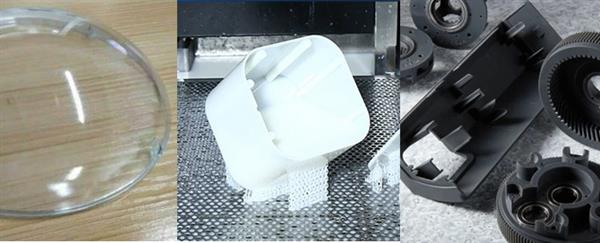
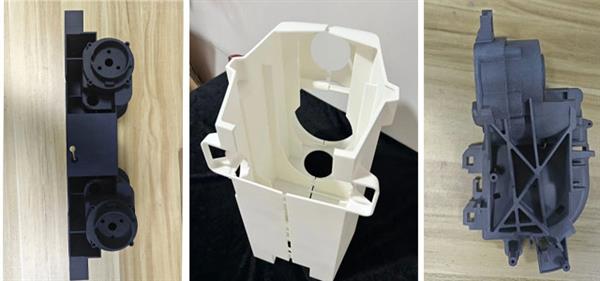
Engineering-Grade Resins (SLA/DLP):

  • Characteristics: High surface fidelity and isotropic properties.
  • Best For: Fine-detail visual models, clear components, and masters for secondary tooling.
  • Note: While aesthetically superior, standard resins can be UV-sensitive and brittle compared to thermoplastics.

Industrial Thermoplastics (SLS - Nylon PA12/PA11):

  • Characteristics: Excellent fatigue resistance, high elongation at break, and chemical stability.
  • Best For: Functional housings, snap-fits, and end-use mechanical parts.
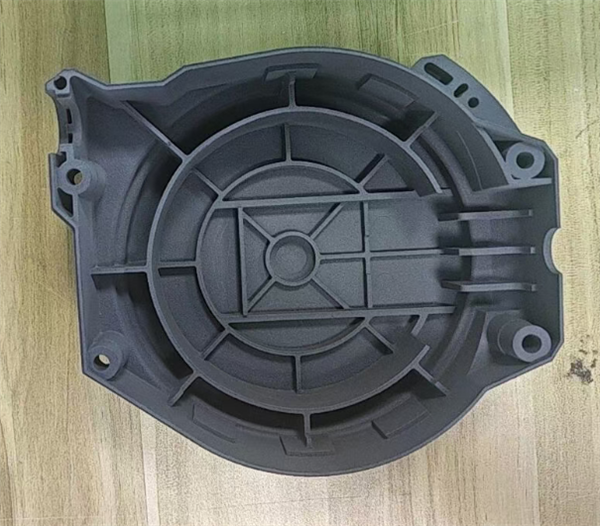
  • Note: SLS parts have a slightly grainy (sugar-like) surface texture due to the powder-bed fusion process.

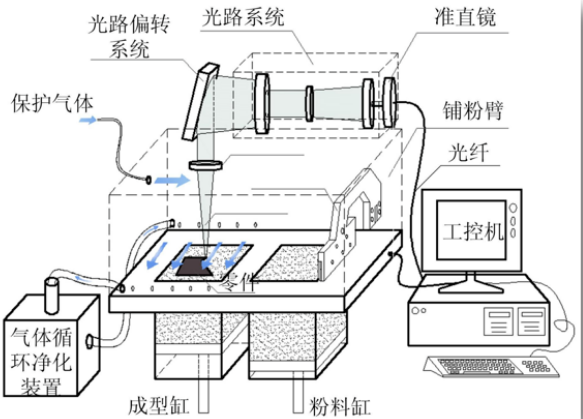
High-Performance Alloys (SLM):

  • Characteristics: Fully dense metal structures with properties comparable to wrought materials.
  • Best For: Aerospace, medical implants, and high-temperature industrial tools.

2. Understanding "Common Phenomena" vs. Quality Defects

In 3D printing, certain physical traits are "characteristics" of the technology rather than manufacturing errors. At Justway, we believe in technical transparency:

A. The "Step-Effect" (Layering)

Because parts are built layer-by-layer, curved or slanted surfaces will inevitably show subtle contour lines.
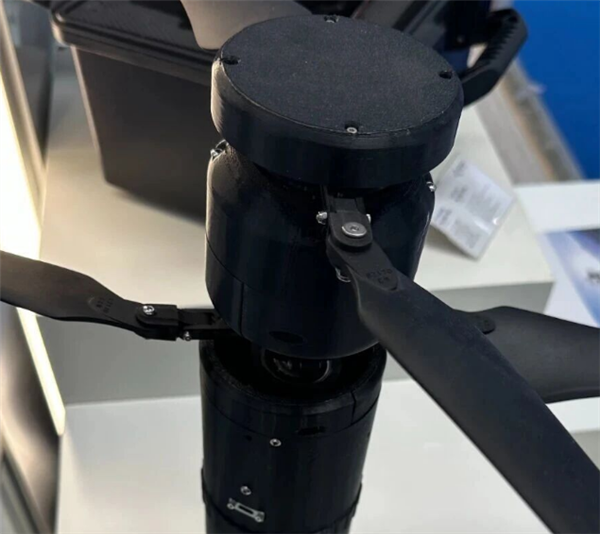
  • Justway Standard: We utilize variable layer heights (down to 0.05mm) to minimize this, but microscopic layering remains a hallmark of the process unless post-polished.

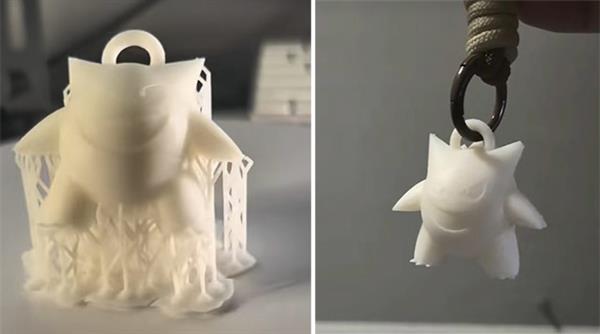
B. Support Contact Points (Pips)

All SLA and Metal parts require structural supports to prevent collapse during printing.

The Reality: Even with precision manual removal, small "nubs" or matte spots may remain where the support met the part surface. These are typically placed on non-functional faces to preserve aesthetic integrity.
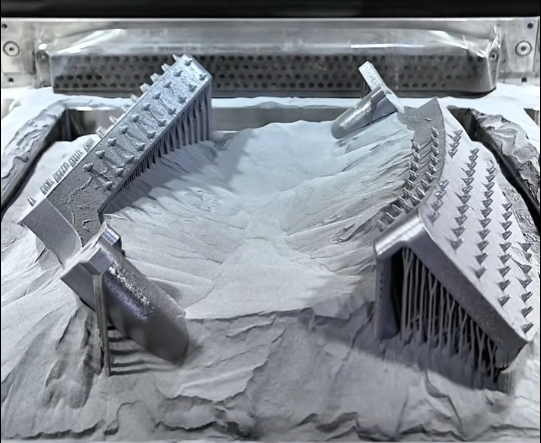
C. Powder Adhesion (SLS/SLM)

For powder-bed processes, a small amount of semi-fused powder may cling to the part's surface, resulting in a characteristic matte or "sand-cast" texture. This is a natural result of the thermal diffusion at the part boundary.
SLM

SLS


3. Why Transparency Matters in Quality Control

By identifying these "Standard Process Phenomena" during the quoting stage, Justway helps engineers avoid unnecessary redesigns. Our QC team distinguishes these traits from actual defects—such as warping or structural loss—to ensure your parts are functional, reliable, and delivered without surprises.


Return to Index:

Justway Technical Resource Center

Join us
Wanna be a dedicated Justway writer? We definately look forward to having you with us.
  • Comments(0)
You can only upload 1 files in total. Each file cannot exceed 2MB. Supports JPG, JPEG, GIF, PNG, BMP
0 / 10000
    Back to top